38 plant water filtration experiment
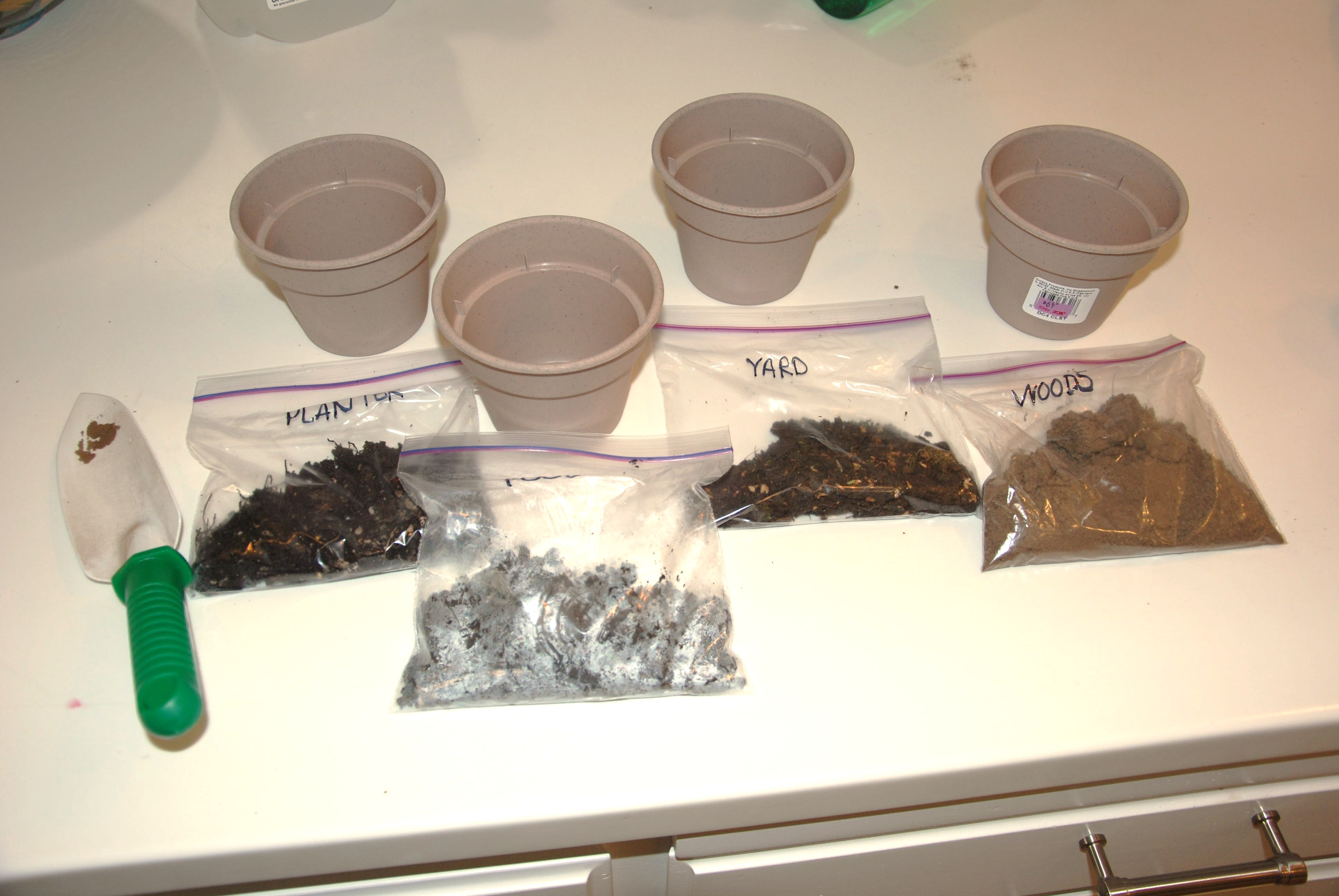
PDF Lesson 1 Filtering Water - Earth Day through class discussion and a water filtration experiment. Note: The filtration methods used in this activity are a simple demonstration and the water should ... facilities and water treatment plants to clean our water. We are also lucky that most of us have running water in our homes, schools and other buildings, and we can EXPERIMENT III - Role of Plants in Water Filtration Place the potted plants into the top of their cups. Pour clean water slowly through one of the pots and watch it percolate through the bottom of the pot. The water should look as clean as what was poured. Add a gram or so of soil to 6-8 ounces of water and stir so that the soil is well suspended and distributed in the water.
How to Build a Plant Xylem Water Filter - MIT Technology Review So in theory, the plant xylem from conifer trees should be an effective filter. To find out, Karnik and co cut 1 inch-long sections of branch of the white pine tree pinus strobus. They peeled off ...

Plant water filtration experiment
Make your own water filtration system - Life is a Garden Pour the glass of muddy/dirty water inside the homemade water filter and watch the water drip clean into the glass below. Once the water has dripped through the filter, pour the water back into the glass - you can now make a hypothesis or prediction about the experiment. Diy Water Filter | Water Filter Experiment | How to Filter Dirty Water ... Make your own water filter using simple materials. This activity is a perfect science experiment or science project on water filtration. Materials needed are easily available around your school or ... Fun Water Filtration & Pollution Science Experiments for Kids Essentially, a soil erosion experiment can show first-hand how foliage and plant roots can naturally filter water, which winds up in our streams, lakes, rivers, and drinking water. What You Need: · Three 2-liter soda bottles · Potting soil · Seedlings · Leaves and vegetal waste · Water . The Experiment:
Plant water filtration experiment. Water Filtration Experiment - Teach Beside Me Begin by getting a jar full of dirty water. We went to a little pond nearby to collect some water. In the plastic cup, start by lining the bottom with the coffee filters. Then place a layer of clean sand followed by a layer of gravel. Place the cup into an empty jar. Pour the dirty water into the cup so it can filter down through the gravel ... Garden and Farms: Plant Water Filtration Experiment | Science for kids ... 1) Take Celery or Napa Cabbage (largest you can find) and slice a stalk halfway up the middle. 2) Place two clear containers close together. Add a few drops of food coloring in two different colors to the jars. 3) Add water to the jars to fill to about 1.5 inches deep. 4) Wait about 8 hours and observe the difference! Filtering Experiment for kids - Science Experiments for Kids Filtering Experiment. What you need. Large stones; Small Stones; Sand; Containers; Funnel; Dirty water - we just added some soil from the garden to some tap water. Instructions. Place the large stones in the funnel and hold it over a container, pour the water through. Add the small stones to the top of the large stones and repeat, does the water look clearer? Using Plant-Based Biofilters to Purify Household Wastewater Using a 20-gallon aquarium, separated into halves by an acrylic barrier, I built two biofilters, each designed to circulate wastewater repeatedly through common hardy living plants. The water-based filter used a dwarf water lily (Nymphaea) bedded in a mound of sand and floating duckweed (Lemna minor) plants in about five inches of water.
Garden and Farms: Plant Water Filtration Experiment Ozonator are devices that are meant for wastewater treatment and disinfection, and more specifically for decolorization, deodorization in water. In a technical sense, these devices also tend to disinfect air and water, further becomes instrumental in removing bacteria, and other contamination that produces unpleasant odours. Reply Delete Easy Plant Science Experiments for the Classroom This water filtration experiment demonstrates how essential plants are for the welfare of our soil and water. To get started, create three miniature milk-carton landscapes: one with living plants, one with dead leaves and sticks, and one with no plant matter at all. Then, pour water into each of them and harvest whatever "groundwater" drips out. Water Filtration Experiment — Edmonton & Area Land Trust This experiment will help you to understand why plants are so important! You will learn about how water filters through the soil and how plants affect that filtration. Through this experiment, you will test 3 different variables to see which produces the cleanest filtered water. The 3 water filtration environments you will test are: Researchers develop plant-based water filtration system - American Forests The plant-based alternative that Dr. Karnik and his team are developing can remove 99.9 percent of bacteria from water by simulating a tree's natural pressure-driven filtration process. A piece of sapwood roughly 3 cm3 can filter several liters of water per day, which can provide clean water for one person.
How to Make a Water Filter: Sand Water Filter Science Project + Video Pour the pebbles into the bottle. Then pour the coarse sand on top of the pebbles and the fine sand on top of the coarse sand. Carefully pour about two liters of clean tap water through, being careful not to disturb the top layer of sand. Pour the rinsed water out of the beaker. Pour the top 2/3 of the swamp water through the filter, taking ... PDF Epa Environmental Education Pour clean water slowly through one of the pots and watch it percolate through the bottom of the pot. The water should look as clean as what was poured. 2. Add a gram or so of soil to 6-8 ounces of water and stir so that the soil is well suspended and distributed in the water. Pour slowly into another flower pot. Water Pollution and Filtration Science Experiments for Kids Teach about the water crisis and inspire students to get involved. Below, you'll find some helpful links to water pollution and filtration science experiments for use in the classroom or at home. We hope these resources help you introduce the importance of clean, safe water to your students. If you find the links helpful, please let us know . Water Filtration Project: Make Your Own Water Filters - Activity 1 liter of water prepared in advance with soil and sand in it until it is thin but relatively opaque; 3 test tubes prepared with the water standards "A," "B" and "C" (C is filtered through some grass, B is filtered through a coffee filter, and A is filtered through 2 coffee filters with a paper towel in the middle) cotton balls; gauze squares
Educational Pic on Twitter in 2020 | Bushcraft camping, Bushcraft ...
Make A Water Filter Science Experiment - Science Fun Put the coffee filter into the flower pot. Put about two inches of pebbles into the bottom of the flower pot. Pour sand into the pot until it is about three quarters full. Use your funnel to add about a cup of dirt to your two liter soda bottle. Fill the bottle nearly full with water. Put on the cap and shake the bottle to mix the soil and water.

What do plants need to survive? | Technically Speaking with Amy
water filtration science experiment filtration water science middle filter project experiments activity homemade challenge activities clean nasa bottle purify construct need use sheet own Fun science experiment!. Water filter diy simple purifier stage ultimate system purification burner stove purifies electricity works filtration systems uses build quickview heats.

Schematic diagram of water filtration system. | Download Scientific Diagram
Water Filtration Using Plant Xylem - PLOS Filtration of Bacteria from Water. Finally, we investigated the ability of the xylem filter to remove bacteria from water. As a model bacterium, we used fluorescently labeled and inactivated Escherichia coli bacteria that are cylindrical in shape with a diameter of ∼1 µm. Use of fluorescently labeled bacteria enabled easy enumeration of their concentrations, and also allowed us to track the location in the xylem filter where they were trapped.

20 Mind Boggling Science Experiments That Will Amaze Your Kids
Recycling Greywater: Can Plants Tolerate It? | Science Project To maintain public health, blackwater must pass through a water treatment plant or septic system before being released back into the environment. Greg Cloud was interested in exploring ways to reduce water usage, and decided to try an experiment with greywater and plants for his science fair project. He designed a well-controlled experiment to ...
How Does Soil Affect the pH of Water?
Water Filtration Experiment - YouTube Hello everyone!The water circulation in nature is just like a very large filter. This experiment is just as a mini water purification plant. It gives you a c...

WATER PURIFIER by using natural sources (science experiment) LAWRENCE ...
Make a water filter - Books 2-liter plastic bottle, empty and clean. Utility knife. Dirty water (make your own with stuff like coffee grounds, dirt, crunched-up old leaves, cooking oil, or tiny pieces of foam) Measuring cup. Spoon. Stopwatch or clock with a second hand. Pencil and paper.

San Diego Pure Water Program Approved! - Surfrider Foundation
Role of Plants in Water Filtration - US EPA Place the potted plants into the top of their cups. Pour clean water slowly through one of the pots and watch it percolate through the bottom of the pot. The water should look as clean as what was poured. Add a gram or so of soil to 6-8 ounces of water and stir so that the soil is well suspended and distributed in the water.

Rain Water Filtration Plant For Science Projects, No. of Model: 1, Rs ...
Home / How Do Plants Drink Water? Experiment - Science-U Plants drink water through a process called osmosis. Osmosis is the movement of a liquid into a living thing, creating a balance of that liquid. For example, if a plant needs water it will use osmosis to pull water through the roots until it has enough water to photosynthesize, or make food. The plants take the water up to the top of the plant ...
0 Response to "38 plant water filtration experiment"
Post a Comment